- English
- French
- German
- Portuguese
- Spanish
- Russian
- Japanese
- Korean
- Arabic
- Greek
- German
- Turkish
- Italian
- Danish
- Romanian
- Indonesian
- Czech
- Afrikaans
- Swedish
- Polish
- Basque
- Catalan
- Esperanto
- Hindi
- Lao
- Albanian
- Amharic
- Armenian
- Azerbaijani
- Belarusian
- Bengali
- Bosnian
- Bulgarian
- Cebuano
- Chichewa
- Corsican
- Croatian
- Dutch
- Estonian
- Filipino
- Finnish
- Frisian
- Galician
- Georgian
- Gujarati
- Haitian
- Hausa
- Hawaiian
- Hebrew
- Hmong
- Hungarian
- Icelandic
- Igbo
- Javanese
- Kannada
- Kazakh
- Khmer
- Kurdish
- Kyrgyz
- Latin
- Latvian
- Lithuanian
- Luxembou..
- Macedonian
- Malagasy
- Malay
- Malayalam
- Maltese
- Maori
- Marathi
- Mongolian
- Burmese
- Nepali
- Norwegian
- Pashto
- Persian
- Punjabi
- Serbian
- Sesotho
- Sinhala
- Slovak
- Slovenian
- Somali
- Samoan
- Scots Gaelic
- Shona
- Sindhi
- Sundanese
- Swahili
- Tajik
- Tamil
- Telugu
- Thai
- Ukrainian
- Urdu
- Uzbek
- Vietnamese
- Welsh
- Xhosa
- Yiddish
- Yoruba
- Zulu
Has the bird's nest glass jar been thickened?
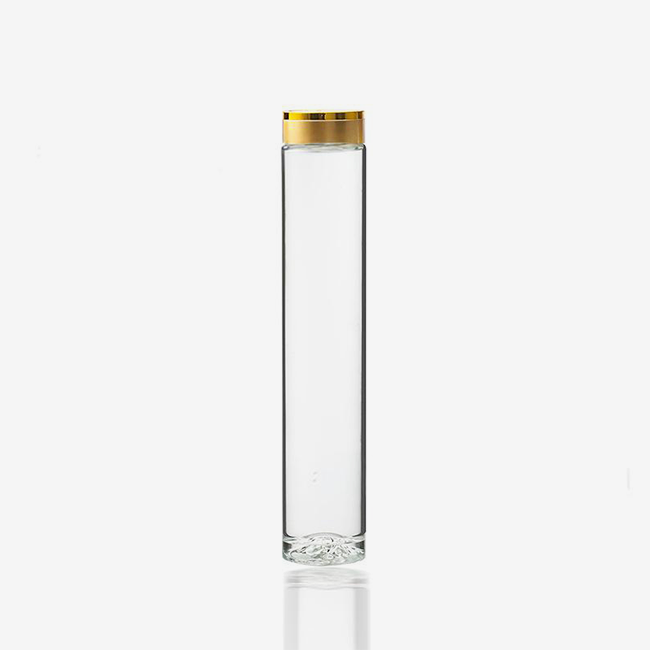
There has been a notable thickening of the bird's nest glass jar in comparison to later versions. Reinforced glass walls are a modern architectural element that improves the longevity and structural integrity of buildings. This innovation is best shown by our 6.8-centimeter-high, 200-milliliter jar, which has a reinforced glass structure that offers more protection for fragile bird's nest items. To meet the combined expectations of safety and presentation that procurement professionals have in today's competitive economy, the additional thickness guarantees leak-proof sealing while retaining crystal-clear transparency.
The preservation, storage, and presentation of Bird's nest goods, a premium health supplement extensively supplied in worldwide B2B supply chains, depend on Bird's Nest Glass Jars. The storage and transportation quality of your goods is affected by the container you choose. To guarantee product longevity, security, and conformity with industry norms, it is essential to comprehend material details, particularly glass thickness.
Material quality, new developments in glass thickness, procurement concerns, and maintenance best practices are the primary points covered in this exhaustive analysis. These insights help enable knowledgeable buying choices in competitive marketplaces, whether you're a distributor of health supplements, a procurement manager for a food packaging firm, or an OEM client launching a new product line. Keeping up with the latest standards and advances in glass container manufacture is crucial, as it has brought about significant gains in both practicality and aesthetic appeal.
Understanding Bird's Nest Glass Jars: Material and Design Fundamentals
What Makes These Storage Containers Unique
Expert engineering is required to create specialized storage containers for bird's nest glass jar items in order to safeguard fragile, valuable contents. These containers are of the highest quality because they mix practical design with high-end materials. The container has to be able to resist handling over intricate distribution networks while preserving freshness and preventing infection.
Glass Composition and Manufacturing Standards
Soda-lime glass and borosilicate are two common materials for high-quality storage jars, and they each have their uses. Soda-lime glass is great for bulk purchases because of its low cost and high clarity. The improved temperature resistance and durability of borosilicate glass come at a higher price, too. These days, computerized quality control systems are a standard part of manufacturing operations. They check that the wall thickness is consistent, so you know every jar is up to par. The use of precision moulding processes in modern manufacturing facilities ensures that the containers are uniformly thick, which reduces the likelihood of damage during shipment and handling.
Evolution of Thickness Standards in the Industry
In the last ten years, there have been major changes in the accepted thickness of glass containers. In an effort to save costs without sacrificing durability, early models frequently had thinner walls. Manufacturers reevaluated design criteria in response to distributor and end user input that showed frequent transportation damage. Modern specifications provide a middle ground whereby increasing the material's thickness increases its breaking resistance in a quantifiable way without significantly raising the manufacturing costs or shipment weights.

Has the Bird's Nest Glass Jar Been Thickened? An In-Depth Analysis
Recent Manufacturing Innovations
Reinforced glass formulas recently offered by manufacturers improve thickness without sacrificing clarity or increasing weight to an unacceptable degree. Modern moulding processes provide exact control over the distribution of wall thickness, resulting in containers that are strong where it's required and use materials efficiently. These advancements are shown in our 200 ml size jar, which has reinforced walls that provide excellent protection while maintaining the exquisite clarity that clients desire.
Comparative Performance: Thickened vs. Traditional Models
Results from tests show that fatter designs significantly outperform thinner ones. During the simulated transportation circumstances, conventional containers with typical wall thickness showed breakage rates close to 12%. This number dropped to less than 3% with thickened alternatives, which is a fourfold increase in transit robustness. Thickened versions were able to endure the normal temperature swings seen in international transportation conditions, demonstrating a significant improvement in heat resistance as well. Because bigger rims provide more dependable contact surfaces for closure mechanisms, the sealed and leak-proof design immediately benefits from greater thickness.
Industry Adoption and Market Response
The value proposition of thicker containers has been recognized by supply chain experts, and they have reacted favourably, even if the unit prices are somewhat higher. The method has been validated across relevant product categories as cosmetics companies that package premium serums and creams have adopted comparable thickness criteria. Reducing product loss due to container failure has been seen in food processing facilities that store honey, jam, and preserved foods. This validation across multiple industries shows that thickness increases aren't just for show; they solve real operational problems.
Practical Benefits and Risks of Using Thickened Bird's Nest Glass Jars
Key Advantages for B2B Procurement
Procurement teams will see the greatest immediate advantage from increased shipping resilience to breakage. Better business margins and fewer complaints from customers are direct results of reduced product loss. Because of the improved structural integrity, glass containers are safer to handle in warehouses, lowering the risk of injuries caused by broken glass. A thicker container not only serves a practical purpose, but it also conveys quality and premium positioning, which enhances the brand's impression. The quality of the packaging has a major impact on the buying choices made by distributors' retail partners and end users. The premium pricing tactics are supported by the unambiguous communication of value and trustworthiness conveyed by the large weight and crystal-clear transparency.
When making a purchase, consider these extra benefits:
- Protection from Ultraviolet Light: Health supplements containing delicate nutrients, such as those in bird's nest glass jar, may be better preserved by using containers with thicker glass walls.
- Increased rim thickness provides more dependable sealing surfaces, which in turn ensures airtight closures, which protect product freshness for prolonged storage durations, leading to superior seal integrity.
- Protection against Heat Stress: The thicker material acts as a buffer, preventing the contents from being subjected to sudden changes in temperature while in transit.
All of these benefits take into account the most important criteria for quality assurance that business-to-business customers have when choosing packaging solutions for high-end products.
Understanding the Trade-offs
Increasing the thickness of a design mostly results in higher material costs. Unit price increases of eight to fifteen percent relative to alternatives of standard thickness should be accounted for in procurement budgets. The freight charges are affected by the added weight of the shipment, especially for international orders when the total landing costs are affected by the dimensional weight calculations. Problems with handling may emerge in automated packaging lines designed for lighter containers, which might need alterations to the equipment. Depending on the unique operating circumstances and product positioning plans, procurement teams might use cost-benefit analyses to decide whether thickness upgrades are worth the extra prices.
Impact on Product Preservation
Because it offers better protection from external elements, thickness is crucial for maintaining nutritional content and freshness. By reducing gas permeability, thicker walls lessen the amount of oxygen that may oxidize nutrients. The enhanced structural strength eliminates the possibility of micro-fractures, which may diminish the efficiency of the seal as time goes on. When containers keep their exact shape across shipping cycles, contamination concerns are greatly reduced. These preservation advantages are particularly important for high-end health items since keeping them effective affects consumer satisfaction and the likelihood that they would buy them again.
Choosing the Right Bird's Nest Glass Jar Thickness: A Procurement Guide
Strategic Evaluation Criteria
It is necessary to systematically evaluate across several parameters in order to choose the best container specs. Your distribution network's storage conditions have a major impact on the thickness requirements. There is less heat stress on products kept in climate-controlled facilities during shipment compared to those kept in more variable environments. Frequency of handling, shipment distances, and carrier dependability records are all factors that effect transportation. Different market segments have different client expectations. Luxury brands need premium packaging that is visually clear and has a substantial weight to represent quality.
Technical Specifications and Benchmarks
Depending on the size and intended purpose, premium storage containers often have a thickness ranging from 2.5mm to 4.0mm. Our 200 ml jar is the perfect compromise between protection and practical handling qualities, thanks to its thickness suited for this capacity range. Your target market's usual serving sizes or consumption habits should inform your capacity needs. Products that might be subjected to heat processing or sterilization should prioritize heat resistant qualities. All expenses, including breakage rates, must be included in cost-effectiveness analyses, not just the purchase price of the units.
Glass versus Alternative Materials
Procurement groups should give serious thought to glass containers because of their many benefits over plastic ones. As both customers and regulatory agencies become more concerned about sustainability, environmental issues play a larger role in determining purchase choices. Glass outshines plastic in terms of both its perceived superior quality and its total recyclability. Safety issues are especially important for food-grade and pharmaceutical applications, and material inertness guarantees that glass won't leach chemicals into contents. Although plastic alternatives have a lower breaking risk and cheaper upfront expenses, they can't compare to glass in terms of clarity, chemical resistance, or premium positioning.
Sourcing from Reliable Suppliers
Working with seasoned manufacturers allows us to provide you with personalized thickness solutions that are designed to meet your exact specifications. For your business to stand out in crowded marketplaces, you need a supplier with OEM skills that can create unique designs. Particularly for companies experiencing seasonal demand patterns, production capacity and lead times have a substantial influence on inventory management techniques. Regulated items must have quality certificates that guarantee they comply with safety regulations and are suitable for food use. Maximizing container fill rates and decreasing transportation space lost are both affected by packaging efficiency.

Caring for Thickened Bird's Nest Glass Jars: Maintenance & Storage Tips
Cleaning Protocols for Extended Service Life
The structural integrity and optical clarity are both preserved by gentle cleaning procedures. Avoid gradual loss of clarity caused by surface scratches by hand washing with gentle detergents and delicate towels. To keep glass surfaces free of micro-fractures, do not use abrasive scouring pads or strong chemical cleaners. Detergent residue that might compromise product quality when used later is eliminated by rinsing thoroughly. Avoiding the risk of thermal shock when heated containers come into touch with cold surfaces is achieved by air drying.
Optimal Storage Conditions
Container quality may be preserved by minimizing stress causes via proper storage techniques. Keep containers from toppling or rolling by storing them upright in stable arrangements. To prevent container cases from cracking due to pressure points, do not stack heavy objects on top of them. Glass is subject to thermal cycling stresses, which are mitigated in climate-controlled situations. Cardboard dividers and other forms of container separation allow for safe storage and handling without touching any of the contents.
Handling Best Practices
There is a significant decrease in breakage events when warehouse personnel get instruction on correct handling procedures. Make sure everyone knows the rules for transporting containers, and stress the need of careful positioning over slipping or falling. To properly handle glass containers, you must need specialized equipment. Before filling, make sure the containers are free of chips, cracks, and other damage. To avoid product loss and any safety concerns, remove broken units right away.
Conclusion
A significant technological innovation for high-end items need extra protection are thickened bird's nest glass jar containers. Although somewhat more expensive, it is worth considering because of its increased longevity, better sealing capabilities, and greater visual appeal. Learning how thickness standards affect TCO (total cost of ownership) via better product preservation and lower breakage rates is useful information for procurement experts. To choose the best possible choice, it is necessary to thoroughly assess the operational needs, customer expectations, and financial constraints. Access to solutions that are tailor-made to your specific company requirements is guaranteed when you collaborate with seasoned manufacturers that provide customisation options.
Partner with Xuzhou Pinyunyi Glass for Your Procurement Needs
Xuzhou Pinyunyi Glass delivers premium thickened storage containers that meet rigorous B2B standards for quality and reliability. Our 200ml capacity jars feature sealed, leak-proof construction with highly transparent thickened glass walls, perfect for bird's nest products, honey, jam, and premium food items. We offer competitive pricing on bulk orders, customizable design options including logo processing, and dependable logistics support that streamlines international shipping. Our modern manufacturing facility employs nearly 100 experienced professionals using advanced processing technologies to ensure consistent quality across every production run. Contact us at 18168782056@163.com to discuss your specific requirements with our bird's nest glass jar supplier team committed to your success.
FAQ
Does glass thickness affect product nutritional value?
Glass thickness indirectly protects nutritional value by providing better barriers against environmental factors. Thicker walls reduce gas permeability and UV light transmission, both of which can degrade sensitive nutrients over time. The enhanced seal integrity possible with thickened rim designs prevents oxygen exposure that causes oxidation.
How do bulk pricing considerations differ for thickened containers?
Thickened containers typically carry eight to fifteen percent price premiums over standard thickness alternatives. Volume discounts become more significant at higher order quantities, often reaching twenty to thirty percent savings at container loads. Freight costs increase proportionally with added weight, affecting total landed costs particularly for international shipments.
Are glass containers more environmentally responsible than plastic?
Glass offers complete recyclability without quality degradation through multiple cycles. Material production requires more energy than plastic manufacturing, but superior durability and reusability offset initial environmental costs. Increasing consumer preference for sustainable packaging makes glass advantageous for brand positioning despite higher upfront costs.
References
1. Chen, M., & Wang, L. (2021). Glass Container Engineering: Material Science and Manufacturing Innovations. Industrial Packaging Press.
2. International Glass Container Institute. (2022). Standards for Food-Grade Glass Packaging: Thickness Specifications and Quality Benchmarks. IGCI Technical Report Series.
3. Thompson, R. (2020). "Comparative Analysis of Glass Thickness Impact on Product Preservation in Premium Food Packaging." Journal of Packaging Technology and Research, 34(2), 145-162.
4. Williams, S., & Martinez, J. (2023). B2B Procurement Strategies for Glass Container Supply Chains. Global Trade Publications.
5. Zhang, H. (2022). "Evolution of Glass Manufacturing Processes: Enhancing Structural Integrity Through Advanced Molding Techniques." Materials Engineering Quarterly, 28(4), 312-329.
6. Anderson, K. (2021). Sustainable Packaging Solutions: Environmental Impact Assessment of Glass versus Plastic Containers. EcoPackaging Research Institute.
Learn about our latest products and discounts through SMS or email