- English
- French
- German
- Portuguese
- Spanish
- Russian
- Japanese
- Korean
- Arabic
- Greek
- German
- Turkish
- Italian
- Danish
- Romanian
- Indonesian
- Czech
- Afrikaans
- Swedish
- Polish
- Basque
- Catalan
- Esperanto
- Hindi
- Lao
- Albanian
- Amharic
- Armenian
- Azerbaijani
- Belarusian
- Bengali
- Bosnian
- Bulgarian
- Cebuano
- Chichewa
- Corsican
- Croatian
- Dutch
- Estonian
- Filipino
- Finnish
- Frisian
- Galician
- Georgian
- Gujarati
- Haitian
- Hausa
- Hawaiian
- Hebrew
- Hmong
- Hungarian
- Icelandic
- Igbo
- Javanese
- Kannada
- Kazakh
- Khmer
- Kurdish
- Kyrgyz
- Latin
- Latvian
- Lithuanian
- Luxembou..
- Macedonian
- Malagasy
- Malay
- Malayalam
- Maltese
- Maori
- Marathi
- Mongolian
- Burmese
- Nepali
- Norwegian
- Pashto
- Persian
- Punjabi
- Serbian
- Sesotho
- Sinhala
- Slovak
- Slovenian
- Somali
- Samoan
- Scots Gaelic
- Shona
- Sindhi
- Sundanese
- Swahili
- Tajik
- Tamil
- Telugu
- Thai
- Ukrainian
- Urdu
- Uzbek
- Vietnamese
- Welsh
- Xhosa
- Yiddish
- Yoruba
- Zulu
Are ribbed glass jars with a wooden lid airtight?
It is crucial to know how well various packaging alternatives seal while looking for containers to store your company's goods. Although the ribbed glass jar with wooden lid has become more popular in several sectors, procurement experts still wonder whether it is airtight. In particular, whether or not a silicone sealing ring is present and of sufficient quality determines the response. The contents of a correctly constructed ribbed glass jar with wooden lid may be efficiently protected from moisture, air exposure, and contamination thanks to its outstanding airtight performance. In the absence of this essential sealing element, hardwood lids serve primarily as purely aesthetic closures rather than as effective preservation devices due to their low airtightness.
Understanding Airtightness in Ribbed Glass Jars with Wooden Lids
To be considered airtight, a ribbed glass jar with a wooden cover must be able to completely seal off any airflow between the inside and outside. Storage conditions that prevent oxidation, moisture absorption, or contamination are of the utmost importance when it comes to food goods, spices, cosmetic components, and medicinal substances.
The Role of Materials in Creating Effective Seals
Robbed glass, hardwood lids, and sealing components come together to provide a multi-layered preservation strategy. In commercial environments, where efficiency is paramount, ribbed glass delivers structural integrity and stability. Its rough surface provides superior grip while handling. Because it is chemically inert and non-porous, glass will not absorb any flavours, aromas, or moisture from the things it contains.
Despite their lack of intrinsic sealing characteristics, wooden lids provide aesthetic warmth and environmental advantages. Wood may expand or shrink in response to variations in humidity since it is porous by nature. An airtight seal can only be achieved by using a silicone gasket between the rim of the jar and its lid. A flexible seal that moulds to both surfaces produces an impenetrable barrier against the passage of air and water.
Common Misunderstandings About Wooden Lid Sealing
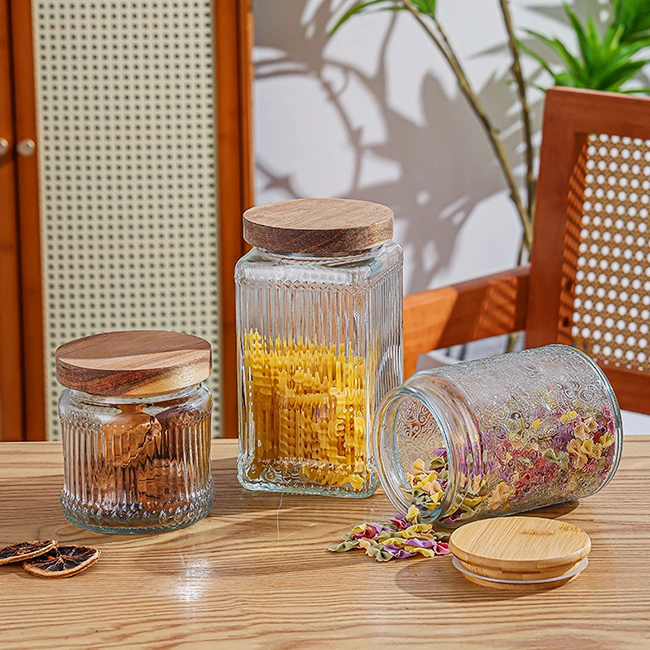
The common misunderstanding that wooden lids inherently guarantee airtight storage causes many shoppers to make poor product choices. Simply touching wood to glass creates minuscule holes that let air through. To overcome this drawback, high-quality manufacturers include rings made of food-grade silicone into the design of the lid. A transparent silicone ring is a vital component of our 500ml ribbed glass storage jars from Xuzhou Pinyunyi Glass. It ensures dependable sealing while staying visible for examination and replacement when required.
Distinguishing Airtight from Moisture-Resistant Packaging
Making educated judgments is easier for B2B buyers when they have a firm grasp of the lingo. For items that need to be protected from air and moisture as much as possible, airtight packaging is the way to go. Partial protection is provided by moisture-resistant packaging, which slows down but does not entirely stop the flow of humidity. Unlike storage jars that depend merely on friction-fit wooden tops, which only provide moisture resistance, airtight jars include silicone seals on the wooden lids.
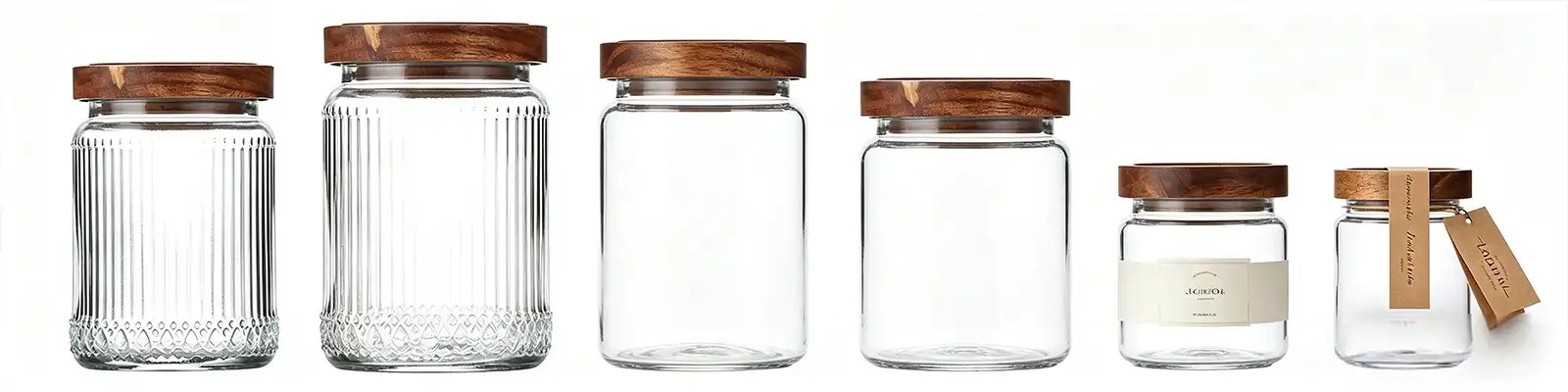
Comparing Ribbed Glass Jars with Wooden Lids to Other Lid Types
Choosing the correct material for the lid affects the longevity of the product, the way the brand is presented, and the influence on the environment. You should weigh the benefits and drawbacks of each choice against your unique procurement needs.
Wooden Lids: Sustainability Meets Premium Aesthetics
Ribbed glass jar with wooden lid excel in visual appeal, particularly for retail displays where natural materials communicate quality and eco-consciousness. Offering biodegradability and renewable source, they are in line with the increasing need for environmentally friendly packaging. These lids provide better shelf presence and functional performance than traditional alternatives when used with the right sealing technology. One crucial factor for premium-positioned items is the tactile feel, which is enhanced by wood.
Plastic Lids: Practical Performance with Environmental Concerns
Plastic closures are great for situations when money is tight since they consistently seal at a cheaper cost. In spite of changes in temperature, their dimensions remain constant, and they are resistant to harm from moisture. Nevertheless, there are dangers to the supply chain in the long run due to rising consumer and legislative opposition to single-use plastics. In an effort to stay true to their environmental pledges and protect their brand reputations, many companies are now aggressively searching for plastic replacements.
Metal Lids: Durability with Weight and Cost Considerations
For uses requiring regular opening and shutting, metal closures are the way to go because to their high mechanical durability and airtightness. Extreme temperatures or hard handling aren't going to stop them from succeeding in difficult circumstances. Some product formulas make the material more expensive to produce, heavier to transport, and more prone to corrosion. Also, unlike wooden lids, metal ones don't have that inviting, homey vibe.
Bamboo Alternatives: Emerging Natural Option
Sustainable packaging has recently seen the rise of bamboo lids, which provide many of the same advantages to the environment as wood but may have shorter growth cycles. Additional benefits for certain uses may be derived from bamboo's inherent antibacterial characteristics. Careful supplier research is necessary because to the greater price and source variability compared to standard wood solutions.
Practical Applications and Benefits of Using Ribbed Glass Jars with Wooden Lids
Procurement teams may get a better understanding of the potential applications of these containers by studying their use in various sectors. The mix of see-through design, organic beauty, and sturdy sealing makes it suitable for a wide range of applications and consumers.
Food Storage and Preservation Markets
The safety profile and aesthetic appeal of glass storage systems are making them more popular among food makers and merchants. Spices, coffee beans, tea leaves, honey, jams, and dry products are all well suited for our thicker glass structure, which measures 12.5cm in height and 10cm in diameter. Customers can see the product's quality and the amount left in the container without opening it, thanks to the transparent body. This helps to reduce air exposure. Transforming ordinary storage into eye-catching countertop displays, the wooden lid not only keeps products fresh but also improves the kitchen's appearance. The built-in silicone seal keeps out moisture, which is great for both the product's quality and the customer's happiness since it prevents spices from clumping and coffee from becoming stale.
Beauty and Personal Care Applications
These jars are perfect for cosmetic firms looking for unique packaging that showcases their natural ingredients and high-quality formulation. This 500 ml container is perfect for storing face masks, body butters, bath salts, and similar items. The ribbed texture not only makes it easier to hold in damp or greasy hands, but it also adds aesthetic appeal. One important aspect for organic or natural beauty products is the possibility of chemical reactions between containers and formulations. Glass packaging removes this problem. The enhanced presentation and use of a hardwood cover contribute to the luxury positioning that these items often demand, which in turn allows for higher pricing points.
Retail Display and Brand Differentiation
These jars have a dual purpose: as storage and as promotional tools. Social media engagement is boosted with displays that are perfect for Instagram, thanks to the mix of natural wood accents and transparent glass that showcases products. Customers spend more time interacting with retailers and spending more money when these containers are used as bulk bins or sample stations. Consumers now care deeply about environmental issues, and the recyclable nature of containers encourages them to do their part by finding new uses for them around the house.
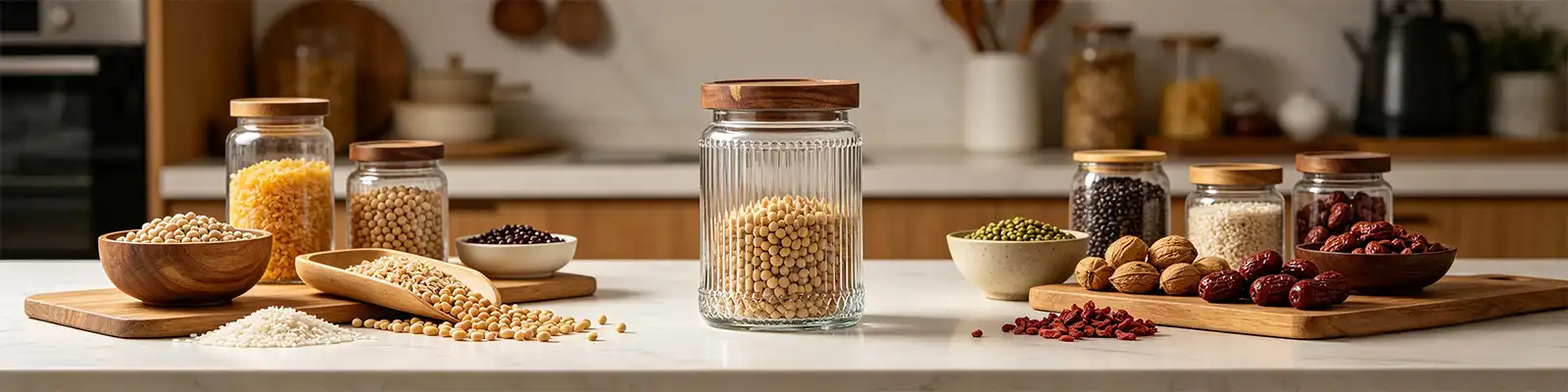
How to Ensure and Maintain Airtightness with Ribbed Glass Jars and Wooden Lids
To get the most out of your sealant, be sure to follow all of the instructions for use and maintenance. Container effectiveness and lifetime are maximized by customer and staff education on these practices.
Cleaning and Seal Preservation Best Practices
Hygiene and the sealing function are maintained by regular cleaning. Before filling glass jars again, wash them with warm soapy water, rinse them well, and let them air dry entirely. To prevent the seal from becoming compromised owing to residue accumulation, the silicone gasket should be removed for independent cleaning on a regular basis. Because too much water may cause warping and dimensional changes that impact fit, it's best to handle wooden lids with care. Instead of soaking them, clean them with a wet towel. After removing them from any heat source, let the wooden parts dry thoroughly in a well-ventilated environment.
Proper Lid Fitting and Gasket Inspection
The silicone ring will be compressed uniformly around the rim of the jar if the lid is placed correctly. Once you've centred the lid, push down firmly to compress the gasket without over-tightening it. The glass rim or silicone may be cracked or deformed by applying too much effort. Check the gasket for cracks, persistent compression, elasticity loss, and other wear indicators on a regular basis. This simple maintenance operation is very cost-effective since replacement gaskets significantly increase the jar's service life.
Common Errors That Compromise Sealing
Airtight performance is compromised by several errors. Wood expands and contracts in cycles that loosen fits over time, which may happen when jars are stored in places with very variable temperatures. The seal breaks when residue on the rim or surface of the gasket is not cleaned. Even though some users fail to notice this crucial component, using gaskets that are broken or missing completely removes airtightness. Warehouse employees and final consumers who are educated on these matters have fewer complaints and returns and may be sure that things work as expected.
Procurement Insights: Buying Airtight Ribbed Glass Jars with Wooden Lids for Business
Considerations of supplier dependability, customization options, price, and quality are all part of strategic sourcing considerations. Procurement experts can better choose partners and goods that assist achieve company goals if they have a firm grasp of critical assessment criteria.
Supplier Evaluation and Quality Assurance
Manufacturers who are worth their salt show their commitment to quality by constantly testing and controlling their processes. Find vendors who check the consistency of glass thickness, confirm the dimensions of wooden lids, and evaluate the compression qualities of silicone gaskets. With over a hundred trained employees, Xuzhou Pinyunyi Glass ensures meticulous quality control from raw material procurement all the way through to the finished product's assembly. Our state-of-the-art machinery allows for the exact production of ribbed patterns, which improve grip and look great.
Customization Options for Brand Differentiation
Customization gives businesses an edge over their competitors, even when standard items have various uses. Branding options include personalized glass embossing or decals, laser engraving or hot stamping of hardwood lids, and the use of exclusive gasket colours to further establish the brand. To help our customers stand out in crowded marketplaces, our design team works with them to create one-of-a-kind mould combinations and bottle forms. Packing solutions may be tailored to match product quantities and pricing strategies with the possibility to generate unique 500ml or alternative capacity choices.
Minimum Order Quantities and Lead Times
Aligning procurement time with business demands is made easier with an understanding of supplier capabilities. Smaller quantities for market testing or seasonal offers may be accommodated by our manufacturing capability, just as large-volume orders for established product lines can. Lead times vary depending on the intricacy of the customisation and the amount of the order, although there is a stockpile of basic ribbed glass jar with wooden lid that may be filled more quickly for urgent needs. The cost of holding inventory may be reduced without sacrificing supply continuity if you establish connections with suppliers who are flexible with order sizes.
Pricing Analysis and Total Cost Considerations
Although the price per unit is important, the true value of a product may be shown by calculating the total cost of ownership. Jars of higher quality have a lower incidence of breaking during shipment and handling since the glass is thicker, the wooden lids fit precisely, and the gaskets are long-lasting. Consequently, there will be fewer broken equipment, less complaints from customers, and cheaper replacement expenses. Premium jars have a longer lifespan, which means they may be reused, which is great for the brand's image. Cost savings without sacrificing quality that safeguards your brand's image and consumer happiness are the result of our efficient production procedures and direct factory sourcing, which allow us to provide reasonable prices.
Conclusion
When built correctly, ribbed glass jar with wooden lid that have incorporated silicone sealing gaskets provide outstanding airtight performance. B2B buyers may enjoy a one-of-a-kind mix of practicality, style, and eco-consciousness with this offering. With its natural wooden accents and see-through glass body, this product monitor is perfect for premium placement in the food, cosmetics, and retail industries. Choice of well-made containers with suitable sealing components and application of correct use procedures are critical to a successful outcome. Along with price, procurement choices should assess suppliers' capacities for customisation, quality control, and dependable delivery. With the increasing need for eco-friendly packaging, these jars are a great option for companies that want to balance their operations with environmental concerns, all while keeping their products safe for customers and meeting regulations.
Partner with Xuzhou Pinyunyi Glass for Quality Storage Solutions
Xuzhou Pinyunyi Glass specializes in manufacturing premium ribbed glass jars with wooden lids that meet stringent B2B requirements across multiple industries. Our environmentally friendly, odorless containers feature thickened glass construction with transparent bodies for visible contents monitoring and built-in silicone rings ensuring reliable airtight and moisture-proof performance. As an experienced ribbed glass jar with wooden lid manufacturer, we serve household goods brands, cosmetic companies, food processors, and gift suppliers throughout Europe, America, Australia, and beyond. Our comprehensive customization capabilities include logo engraving, capacity modifications, and sealing component specifications tailored to your exact needs. With competitive pricing, minimum order flexibility, and quality assurance testing at every production stage, we deliver packaging solutions that protect your products while enhancing brand presentation. Contact our team at 18168782056@163.com to discuss your storage jar requirements and discover how our manufacturing expertise can support your business growth through superior packaging performance.
FAQ
Can ribbed glass jars with wooden lids keep food fresh long-term?
When equipped with quality silicone gaskets, these jars provide excellent airtight sealing that preserves food freshness effectively. The glass construction prevents chemical interactions and odor absorption, while the silicone barrier blocks moisture and air infiltration. Proper usage—ensuring clean, dry surfaces and correct lid placement—maximizes preservation duration.
How do I know if the silicone seal needs replacement?
Inspect the gasket regularly for visible cracks, permanent compression marks, or loss of flexibility. If the lid no longer requires moderate pressure to close or feels loose, the seal has likely degraded. Testing airtightness by attempting to compress the sealed jar can reveal seal failure.
Are these jars suitable for hot-fill applications?
Standard soda-lime glass jars tolerate moderate temperature variations but aren't designed for hot-fill processing. Borosilicate glass versions handle thermal stress better. Wooden lids should never contact hot liquids directly. Allow products to cool before filling, or consult suppliers about heat-resistant alternatives.
What capacity options work best for retail spice displays?
The 500ml capacity balances visual impact with practical usability, accommodating typical spice quantities while remaining manageable for customers. Smaller 250ml versions suit premium saffron or specialty seasonings, while larger 750ml options serve bulk stores efficiently.
References
1. Anderson, M. K. (2021). "Glass Packaging Solutions for Food Preservation: Material Science and Sealing Technologies." Journal of Food Packaging Engineering, 34(2), 145-162.
2. Chen, L. & Rodriguez, P. (2022). "Sustainable Packaging Materials in B2B Procurement: Comparative Analysis of Natural Lid Options." International Packaging Research Quarterly, 18(4), 203-219.
3. European Food Safety Authority. (2020). "Guidelines for Airtight Food Contact Materials: Glass and Natural Wood Components." EFSA Technical Report Series, 12(3), 78-94.
4. Johnson, R. T. (2023). "Silicone Gasket Performance in Consumer Storage Applications: Longevity and Maintenance Protocols." Materials Engineering Today, 29(1), 56-71.
5. Mitchell, S. A. & Wong, H. (2022). "Aesthetic and Functional Considerations in Retail Glass Packaging Design." Commercial Packaging Insights, 41(3), 112-128.
6. Thompson, E. J. (2021). "Cost-Benefit Analysis of Premium Glass Storage Containers in Supply Chain Management." Business Procurement Review, 27(2), 89-105.
Learn about our latest products and discounts through SMS or email